Bulgarian politics for expats in Varna: stability, protests and voting
What elections, protests and the 2026 government mean for foreigners in Varna, who can vote, and where to follow Bulgarian politics in English.
Official travel advice does not flag a political risk for everyday life in Bulgaria: Germany’s Foreign Office describes the domestic situation as “stable” and has no travel warning (as of 26 October 2026). After eight parliamentary elections between 2021 and 2026, a single-party majority government has been in office since 8 May 2026. What foreigners in Varna notice most are election Sundays, occasional protests and policy changes such as taxes.
As of 26 October 2026. This page explains; it does not take sides.
Is Bulgaria politically stable enough to move to?
Between 2021 and 2026 no party could build a lasting majority in parliament, so caretaker cabinets and repeated elections followed (why Bulgaria has so many elections). In the election of 19 April 2026, Rumen Radev’s Progressive Bulgaria won 131 of 240 seats, according to final Central Election Commission results reported by Novinite. On 8 May 2026 parliament elected him prime minister by 124 votes to 70, with 36 abstentions, BTA reported. Whether this means lasting stability is debated by parties and analysts; the Bulgarian politics explainer sets out who is who.
Are protests or elections a safety concern for foreigners?
Usually not, but it pays to keep your distance. In late 2025, protests against the draft 2026 budget widened into protests over the government’s record on corruption, Al Jazeera reported. On 1 December about 50,000 people rallied in Sofia, according to Euronews, and a small masked group clashed with police and attacked offices of the GERB and DPS parties. Some protesters and Sofia’s mayor suggested provocateurs were involved, Balkan Insight reported; it also listed Varna among the cities that joined the protests. Prime Minister Rosen Zhelyazkov’s government resigned on 11 December 2025 (Reuters, Al Jazeera).
On 20 October 2026 a crowd protested outside the Presidency in Sofia against the foreign policy of Prime Minister Radev and President Iliana Yotova. The Sofia Globe described a “large turnout” without giving a figure and reported no violence. The government has said it wants a diplomatic solution to the war in Ukraine, Euronews reported in June 2026.
The UK Foreign Office says “most protests are peaceful” but notes “occasional incidents of violence, including by the police” and possible roadblocks. Practical tips:
- Avoid demonstrations and large crowds, as both the UK and German governments advise.
- Expect traffic changes and closed streets around rallies.
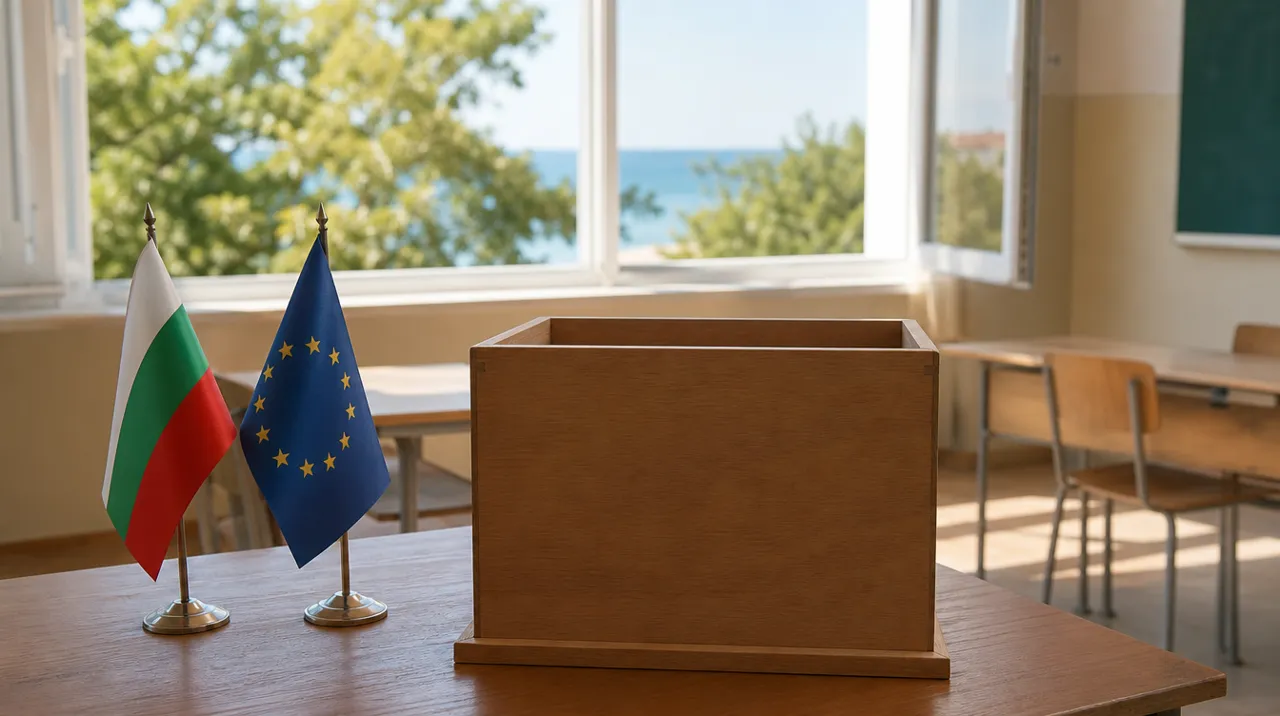
- On election Sundays, polling stations (often schools) are busy; the next one is the presidential runoff on 1 November 2026 (runoff page).
Can EU citizens living in Varna vote in Bulgarian elections?
Yes, in municipal and European Parliament elections only. Under the Electoral Code, citizens of other EU countries can vote for municipal councillors and mayors if they are 18 or over, hold long-term or permanent residence status and have lived in the place where they vote (for example, the city of Varna) for at least the last six months. For European Parliament elections they also need long-term or permanent residence status and at least three months of residence in Bulgaria or another EU country. EU citizens may stand for the municipal council, but not for mayor.
Registration is not automatic in Bulgaria, says the EU’s Your Europe portal: you must apply to be added to the electoral roll. Check the deadline with Varna Municipality or cik.bg before each election. Parliamentary and presidential elections are for Bulgarian citizens only; non-EU residents cannot vote. First you need your residence certificate.
What has changed for residents since 2025?
- Schengen: land border checks with other Schengen states ended on 1 January 2025, according to the Council of the EU.
- Euro: the euro replaced the lev on 1 January 2026 (ECB).
- Budget and taxes: the Radev government’s 2027 budget plan is covered in our 2027 budget explainer.
- Ukrainians: Eurostat counted 76,385 people under temporary protection in Bulgaria in July 2026, The Sofia Globe reported. See temporary protection to 2027.
Is the war in Ukraine or the Black Sea situation a risk in Varna?
There is no travel warning for Bulgaria from Germany (as of 26 October 2026). Rear Admiral Kiril Mihaylov of the Bulgarian Navy said no drifting mines had been detected in Bulgarian waters from 2025 until July 2026, BTA reported on 10 July 2026. Drone strikes on ships in Bulgaria’s economic zone in October 2026 are covered in our Black Sea report. If you see a suspicious object on the beach, call 112.
Where can I follow Bulgarian politics in English?
BTA, BNR, BNT, The Sofia Globe and Novinite publish in English. Official sources: cik.bg (elections), parliament.bg and gov.bg.
What it means for residents of Varna
Day to day, politics mainly reaches you through prices, taxes, paperwork and the occasional busy election Sunday. For general safety, see is Bulgaria safe?.
Sources
- Electoral Code of Bulgaria (Izboren kodeks), consolidated text on lex.bg
- Your Europe – Voting in municipal elections in another EU country
- Your Europe – Voting in European Parliament elections abroad
- German Federal Foreign Office – Bulgaria safety advice (as of 26 Oct 2026)
- GOV.UK – Bulgaria travel advice, safety and security
- Novinite – CEC final results of the 19 April 2026 election (24 Apr 2026)
- BTA – Parliament elects Rumen Radev as prime minister (8 May 2026)
- Euronews – Government withdraws budget plan after protests (2 Dec 2025)
- Reuters – Bulgarian government resigns after weeks of street protests (11 Dec 2025)
- Al Jazeera – Bulgarian government resigns after mass protests (11 Dec 2025)
- Balkan Insight – Major anti-government protests across Bulgaria (2 Dec 2025)
- Sofia Globe – Protest against the foreign policy of Radev and Yotova (20 Oct 2026)
- Euronews – Bulgaria's PM says weapons supplies to Ukraine will end (10 Jun 2026)
- Sofia Globe – Eurostat temporary protection figures (10 Sep 2026)
- BTA – Bulgarian Navy reports fewer drifting mines (10 Jul 2026)
- European Central Bank – Bulgaria's changeover to the euro
- Council of the EU – Land border controls with Bulgaria and Romania lifted
Frequently asked questions
Is Bulgaria politically stable enough to move to?
Official travel advice does not flag a political risk for everyday life: Germany's Foreign Office calls the domestic situation stable and has no travel warning (as of 26 October 2026). Since 8 May 2026 a single-party majority government has been in office, after eight parliamentary elections between 2021 and 2026.
Are protests in Bulgaria dangerous for foreigners?
Most are peaceful, according to the UK Foreign Office, but there have been occasional incidents of violence, including on 1 December 2025 in Sofia (Euronews). Both the UK and German governments advise avoiding demonstrations and large crowds.
Can EU citizens living in Varna vote in Bulgarian elections?
Yes, in municipal and European Parliament elections, if they are 18 or over, have long-term or permanent residence status, meet the residence period in the Electoral Code and are on the electoral roll. They cannot vote in parliamentary or presidential elections.
Can non-EU residents vote in Bulgaria?
No. Under the Electoral Code, voting rights in Bulgaria are limited to Bulgarian citizens and, for municipal and European elections, citizens of other EU countries.
Where can I follow Bulgarian politics in English?
The state news agency BTA, Bulgarian National Radio (BNR), Bulgarian National Television (BNT), The Sofia Globe and Novinite all publish in English. Official results are on the Central Election Commission site, cik.bg.


